

PAI Insight: Making Civic Buildings Accessible
March 2, 2026
Why bring accessibility to civic buildings?
Renovations and renewals are vital to allow civic buildings to continue serving the public safely. Some of our firm’s first projects (dating back to 1996) involved introducing accessibility to existing arts facilities, including many heritage-designated buildings, such as the Stanley Theatre, Orpheum Theatre, and Queen Elizabeth Theatre. These projects made sensitive, thoughtful interventions such as vertical lifts, ramps, and other upgrades to maximize access while protecting the building character.
To us, accessibility has never been only about access or meeting a code requirement, but about elevating the quality of experience every individual has while attending a performance or event. Sending a wheelchair user around back to use a side door does not communicate equity and dignity.
PAI’s view on accessible design:
- Empathy, dignity, and respect are central to accessible design
- A built environment that allows every person, regardless of their abilities, to fully access it decreases socially-imposed limits to the lived experience
- As designers, we have the power to create change through accessible design (disability justice)
Infusing these values into PAI’s projects has allowed our designers to find functional and elegant solutions that meet and/or exceed code requirements.
Case Study: The Massey Theatre Renewal
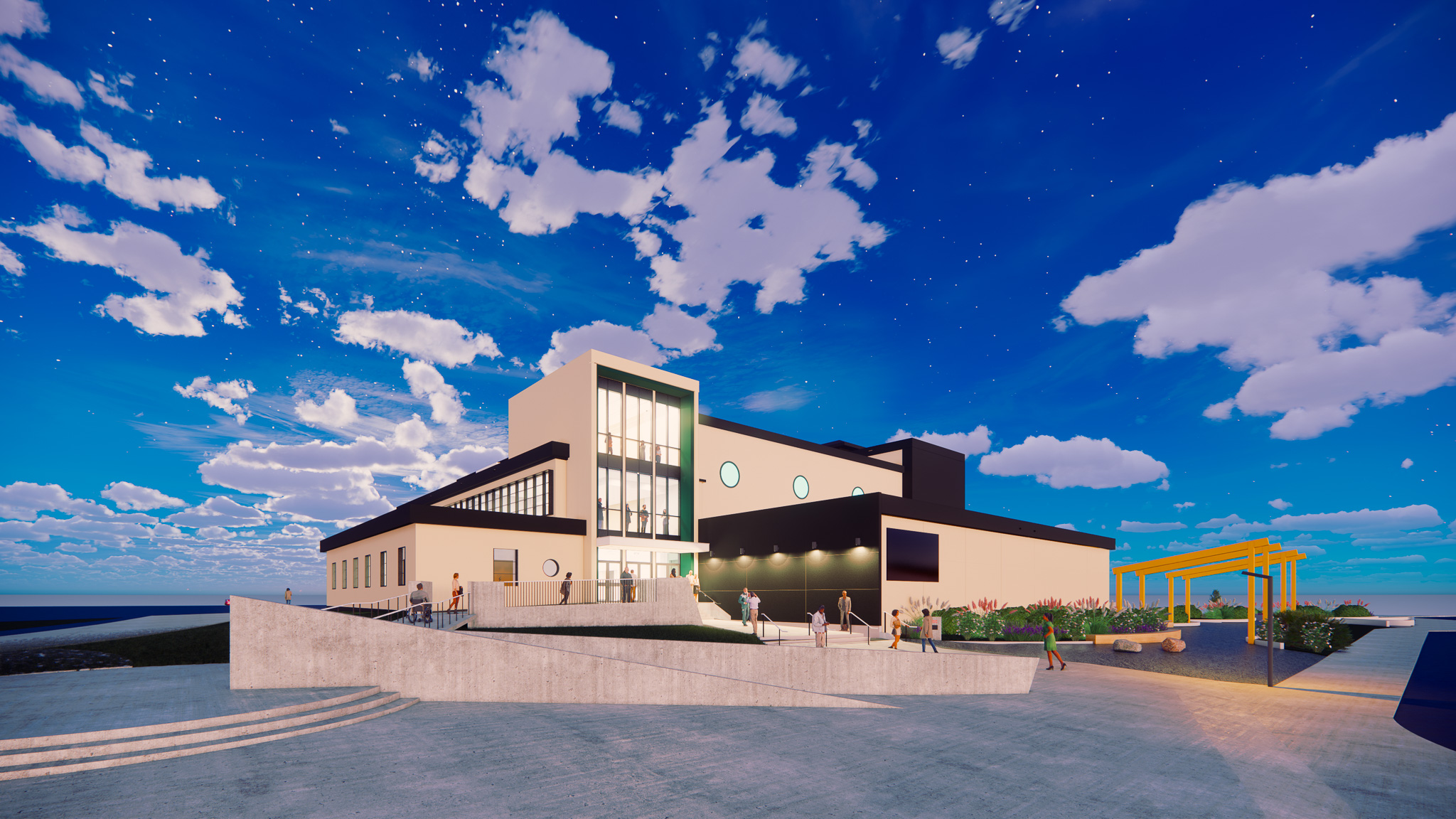
PAI is currently carrying out a multiphase renewal of the Massey Theatre, a highly used civic theatre located in the City of New Westminster and home to the Massey Theatre Society organization. Built in 1949, the original building received incremental upgrades over the years but was in need of major renovations to improve the safety, sustainability, and accessibility of the building.
Our firm worked with Step by Step Consulting to undertake an accessibility audit on the building based on the Rick Hansen Foundation guidelines. Based on the audit’s suggestions, we developed a strategy for interior and exterior accessibility that goes above and beyond code requirements.
We are thrilled to say the renewal will bring theatre user accessibility to all public areas of the facility (theatre, lobbies, studio theatre, and performance studios), back of house, and offices, for the first time in the building’s history.
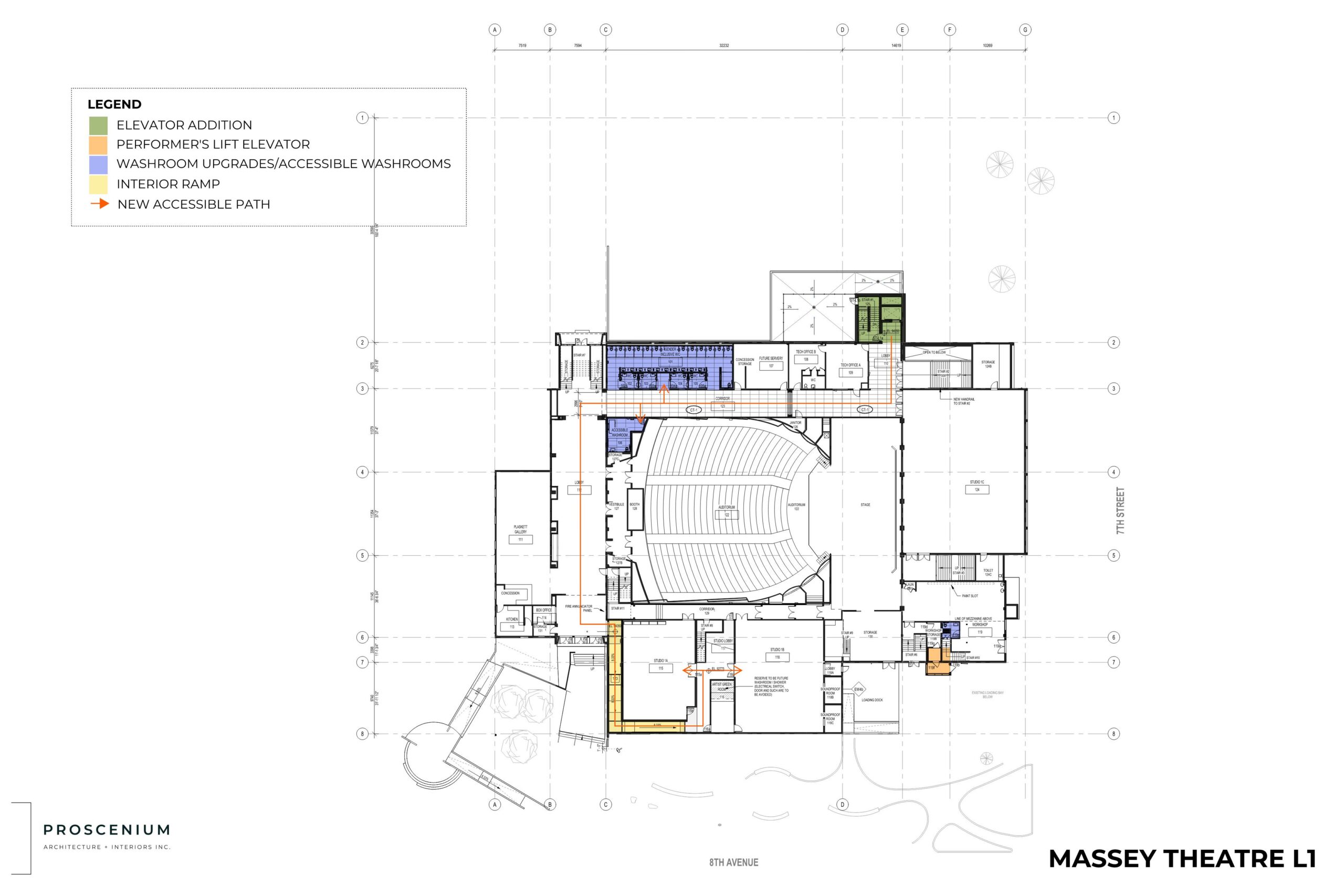
The Massey Theatre’s multifaceted accessibility strategy includes several elements that work in concert for a holistic user experience:
Improving wayfinding through the use of colour blocking and signage. Each floor features paint highlights of a specific colour, to allow for intuitive navigation.
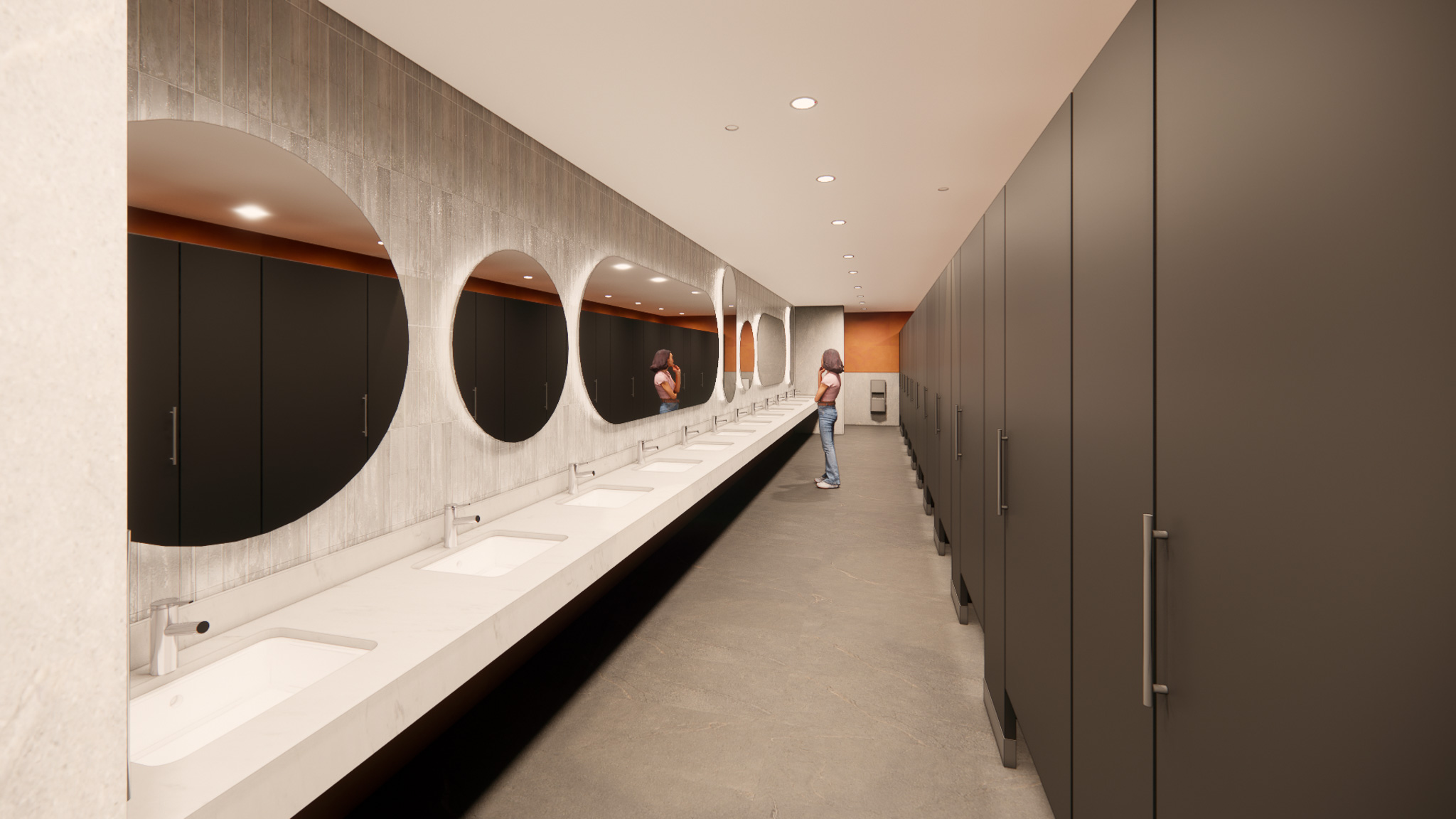
Washroom upgrades including the addition of gender-inclusive stalls and accessible unit washrooms. Other aesthetic updates such as large-format tiles, rounded back-lit mirrors, and vivid accent walls make the washrooms feel more spacious and modern.
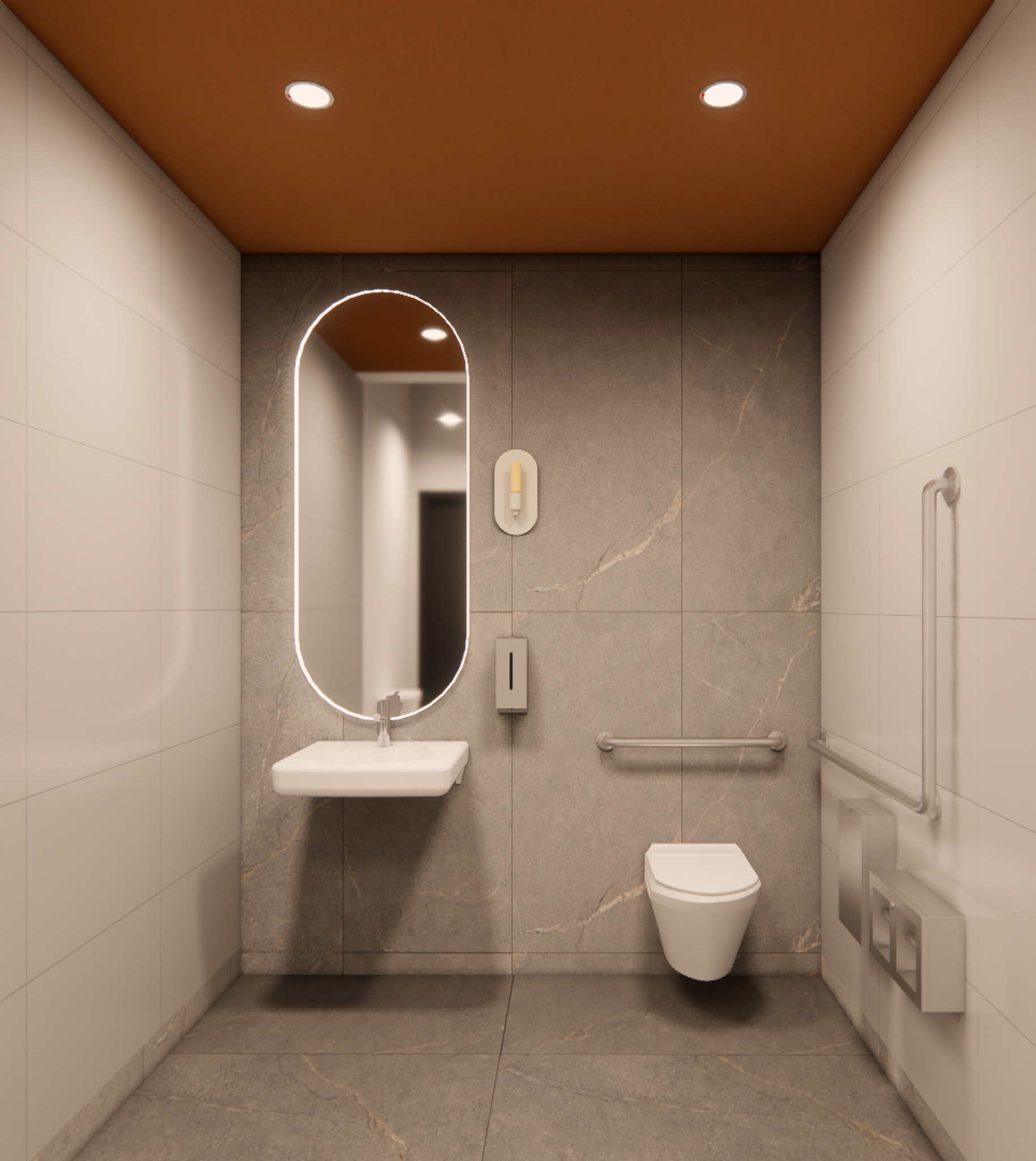
Elevator Addition allows for new access to all floors (the balcony was previously inaccessible except by stairs).
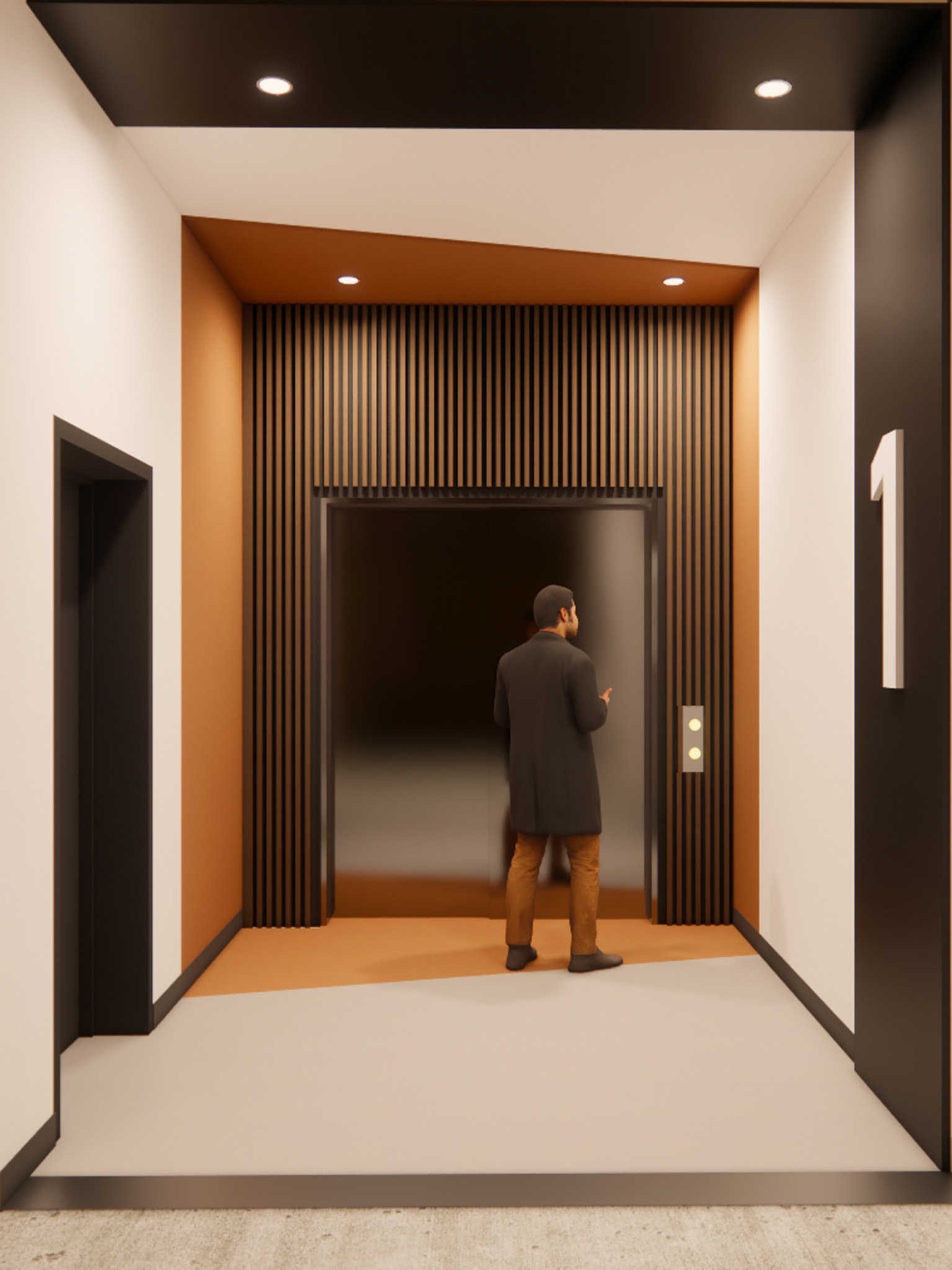
Performer’s Lift Elevator allows access from back-of-house to stage (previously, a wheelchair user had to exit the building to access the stage).
Interior Ramp added to bring accessibility from the lobby to performance studios (these were previously inaccessible except by stairs).
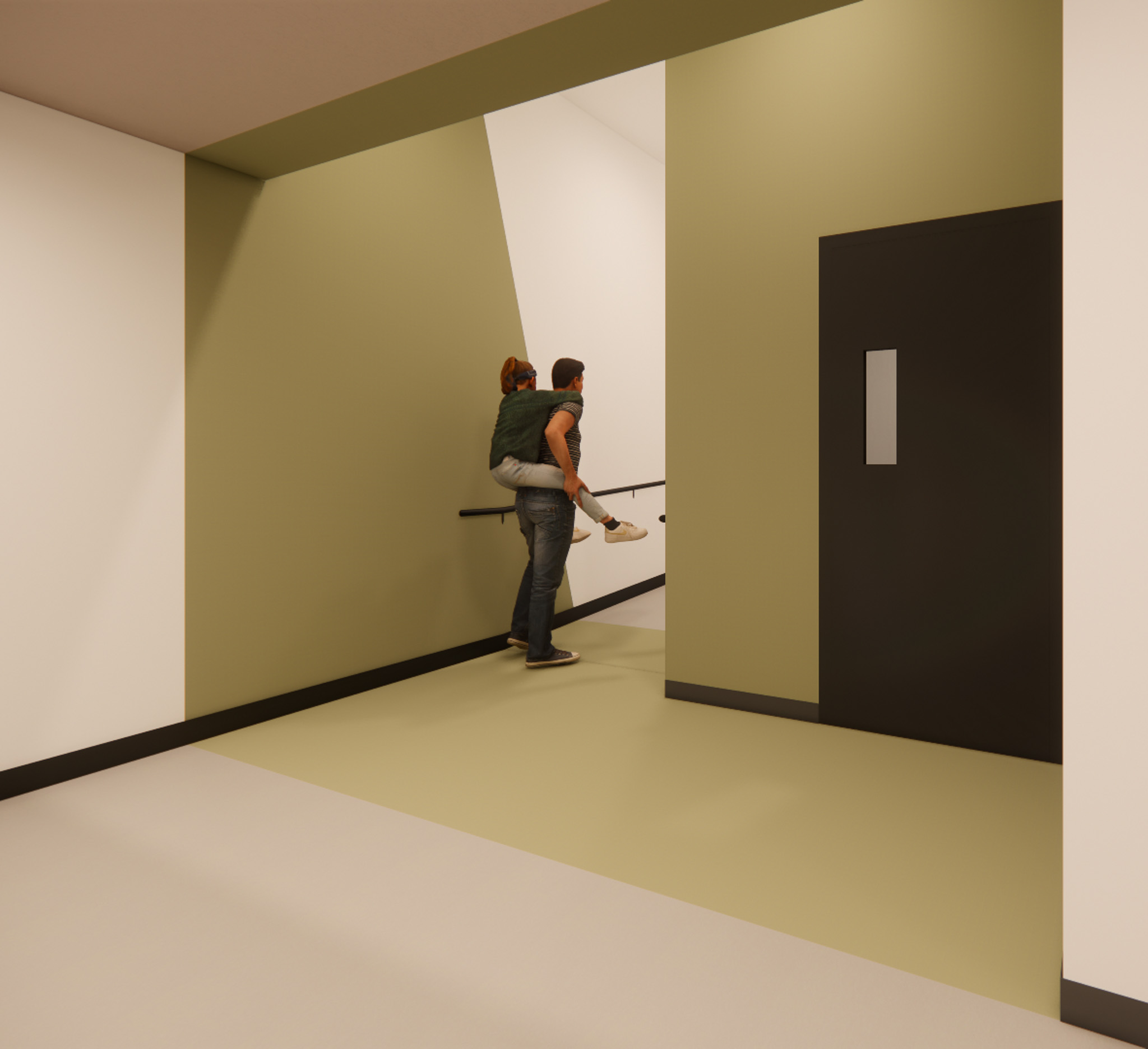
Exterior Ramps will be improved as part of the public realm in line with suggestions from Step By Step Consulting’s accessibility audit (based on Rick Hansen Foundation Guidelines).
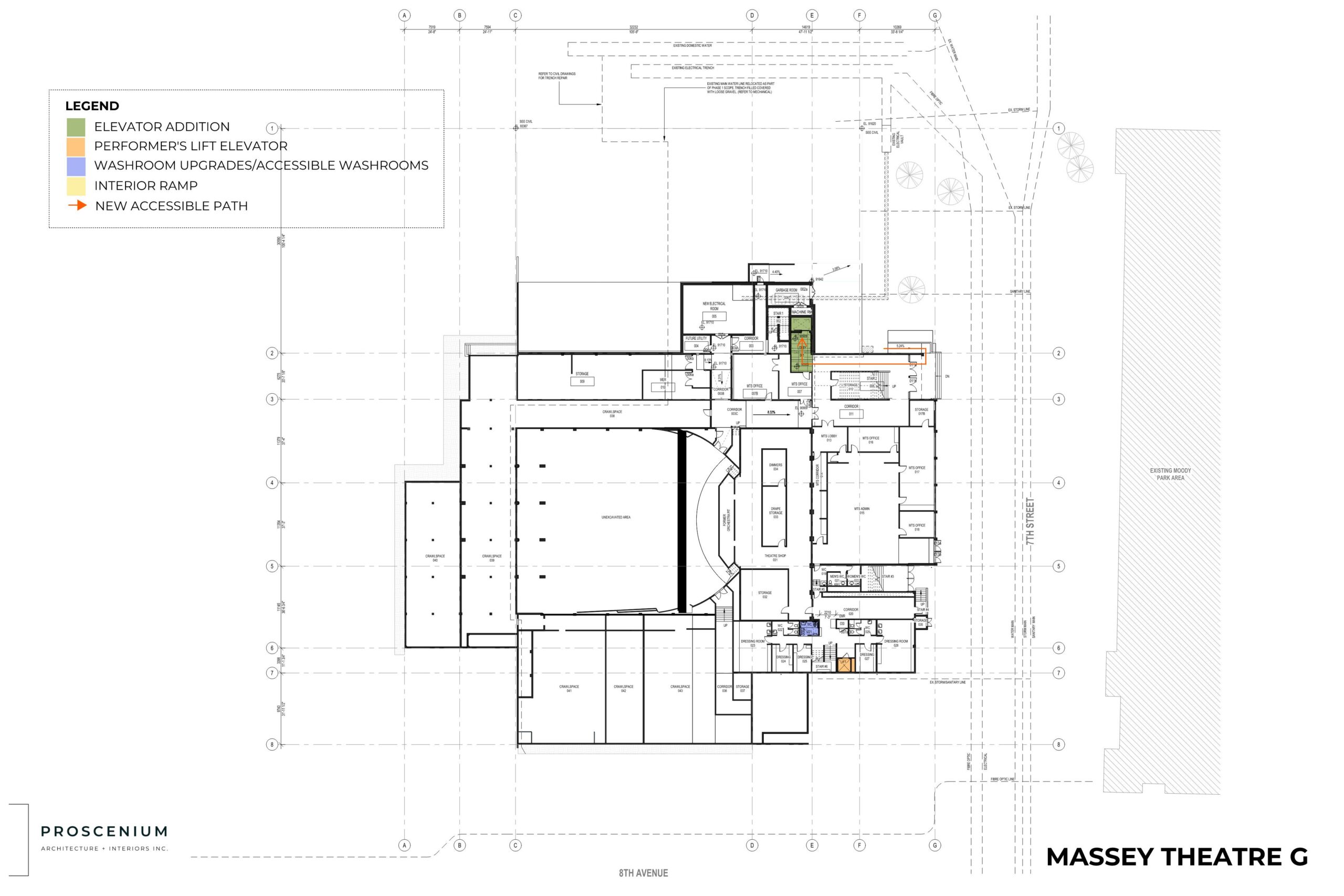
Altogether, these upgrades will make the theatre more welcoming, navigable, and enjoyable for visitors, staff, and performers of all abilities.
This important renewal project for the City of New Westminster is currently under construction. We are delighted that the municipal investment into this cultural asset will allow it to continue functioning as a vital community and cultural hub, extending its useable life into future decades.
Project team includes:
Turnbull Construction Project Managers
More from PAI
Our team is pleased to be carrying out a concurrent accessibility upgrade of the Stanley Theatre in Vancouver, another well-loved arts landmark in the Lower Mainland.